

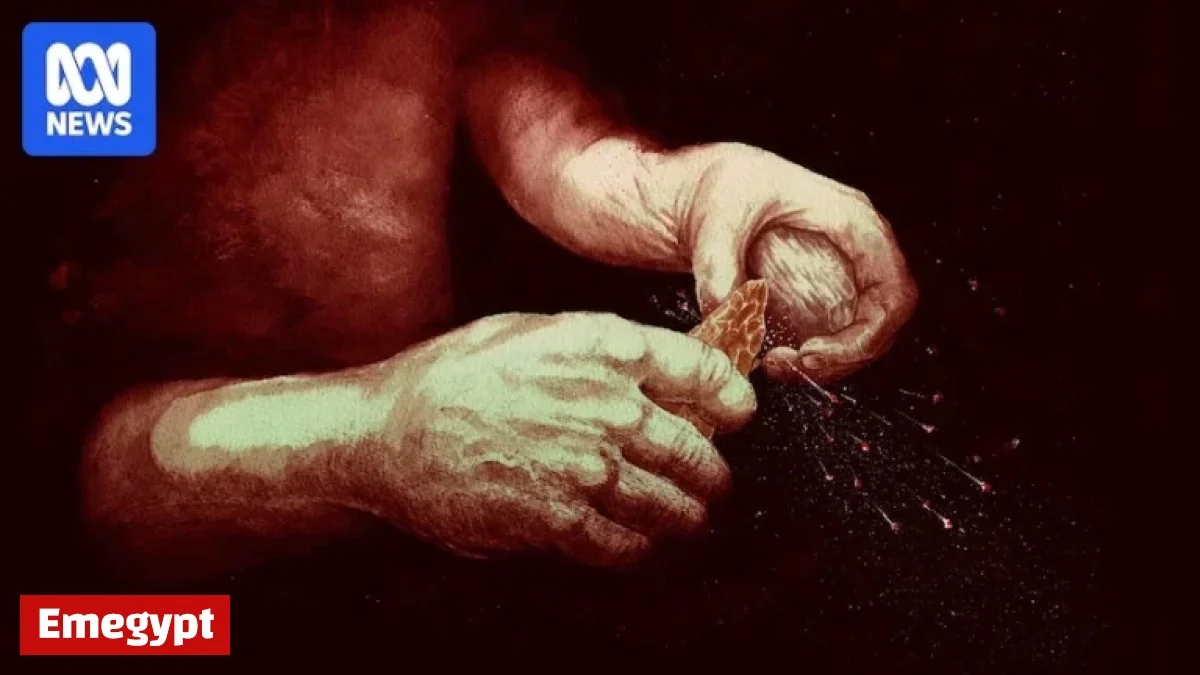
New research uncovers significant evidence that Neanderthals mastered firemaking techniques approximately 400,000 years ago. This groundbreaking study, published in the journal Nature, reveals the earliest known instances of firemaking, long before the emergence of modern humans.
Discovery Location and Context
The archaeological findings originate from a site known as East Farm, located in Barnham, Suffolk, about 140 km northeast of London. Researchers, led by Nicholas Ashton from the British Museum, discovered burnt clay and heatshattered hand axes, indicating the use of fire.
Significance of the Findings
- The evidence suggests that firemaking was common across Europe.
- This discovery is significantly older than previous evidence, which was dated to around 50,000 years ago.
- The findings could indicate that different early human species interacted with fire far earlier than previously believed.
Ashton noted, “This is the most remarkable discovery of my career.” He emphasized that the conditions at Barnham allowed for excellent preservation of evidence, hinting that more discoveries could be made in the future.
Methods of FireMaking
Research suggests early humans, possibly Neanderthals, employed flint and pyrite to create sparks necessary for ignition. This method mirrors techniques used for thousands of years, indicating a sophisticated understanding of fire.
Previously, it was believed that the earliest instances of making fire were documented around 50,000 years ago in Northern France. New insights from Barnham push this timeline significantly earlier, marking a pivotal development in human evolution.
The Role of Fire in Early Human Life
Fire was crucial for survival. Michelle Langley, an archaeologist not involved in the study, notes that fire made cooking possible, improving nutrition and safety from predators. Early humans likely utilized wildfires before learning to create fire intentionally.
Evidence Collection and Analysis
Investigations at Barnham revealed evidence of a campfire, including reddish sediment consistent with prolonged heating to over 700 degrees Celsius. Alongside this, heatshattered hand axes were found, further supporting the notion of human involvement in fire use.
The area has been excavated since the 1900s, with consistent findings hinting at fire use since 2014. The use of pyrite in the region is notably rare, suggesting it was deliberately transported to Barnham for firemaking purposes.
Identifying the Fire Makers
No human remains were uncovered, leaving the species identification uncertain. However, it is speculated that early Neanderthals could be the firemakers due to the time alignment with similar fossil records.
Langley adds complexity to this identification. Various human species existed simultaneously during this era, which complicates conclusions regarding fire usage and creation.
Implications of the Research
While discovering evidence of 400,000yearold firemaking is extraordinary, it raises questions about the widespread nature of this skill. Langley notes that the scarcity of fire evidence makes it challenging to gauge frequency across different sites.
- Researchers intend to explore other sites in Europe for older firemaking evidence.
- The findings from Barnham suggest a wider network of fire usage across early human habitats.
The Barnham findings represent only a portion of the potential history of firemaking, hinting at a much more intricate story of early human behavior and innovation. Researchers plan to continue their investigations, aiming to unravel more about the timeline and methods of fire use by ancient human species.