

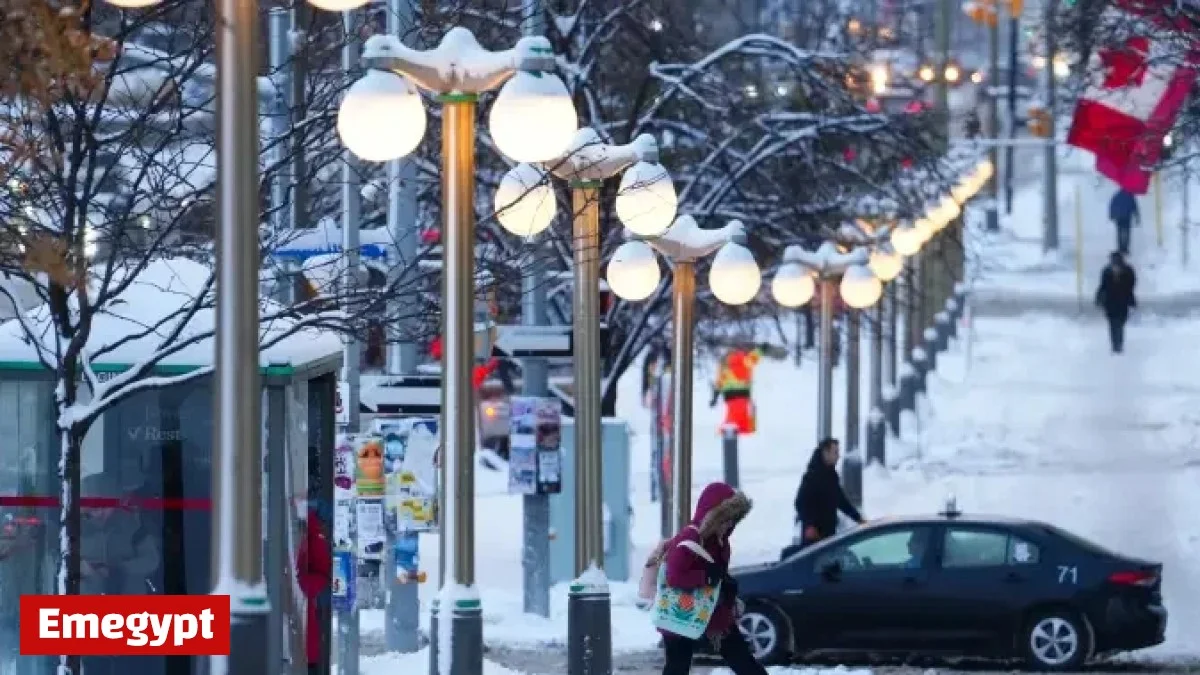
Environment Canada has announced its winter forecast, signaling a shift to colder conditions after an unusually mild autumn. Meteorologist Jennifer Smith emphasized that this abrupt transition has felt especially harsh for Canadians. The forecast predicts a range of winter weather patterns across the country.
Winter Perspectives Across Canada
According to the winter outlook, Canadian regions will experience varied temperatures and precipitation. Here are key insights:
- Eastern Arctic: Predicted aboveaverage temperatures.
- Hudson Bay & Northern Quebec: Also expected to see warmer conditions.
- Yukon, Northwest Territories, & Western Nova Scotia: These areas may experience belowseasonal temperatures.
- Western British Columbia & Eastern Nova Scotia: Conditions are likely to remain closer to average.
A Range of Winter Weather
Canadians will encounter the full spectrum of winter weather. Smith noted that while averages are important, daily experiences will vary significantly. For regions like the Rockies and the Prairies, the outlook suggests an increase in snowfall due to storms tracking from Yukon.
Eastern Canada, however, remains uncertain regarding precipitation levels, with equal chances of above, near, or below average. Smith warned that the Great Lakes and nearby areas have started the season warm, leading to enough moisture to support intense snow squalls.
Potential Storm Impacts
Winter storms originating from southern U.S. states, including Colorado, Texas, and the Carolinas, could impact southern Ontario, southern Quebec, and Atlantic Canada. The exact path of these storms will determine their potential effects.
In summary, while the onset of winter has been colder and snowier than usual, it remains a season marked by complexity and variability. Canadians are familiar with the challenges of winter, and this year will offer a unique blend of weather events.